

When Planners Require Verified Views, and Why
Verified Views are rarely requested for straightforward applications. They appear where visual impact is sensitive, contested, or likely to be examined in detail.
Planning officers and consultees rely on them when drawings alone are insufficient to communicate scale, massing, or visibility within an existing context. This is particularly true where heritage assets, protected landscapes, or long-range views are involved.
Common scenarios where Verified Views are required include:
Developments within or adjacent to conservation areas
Proposals affecting the setting of listed buildings
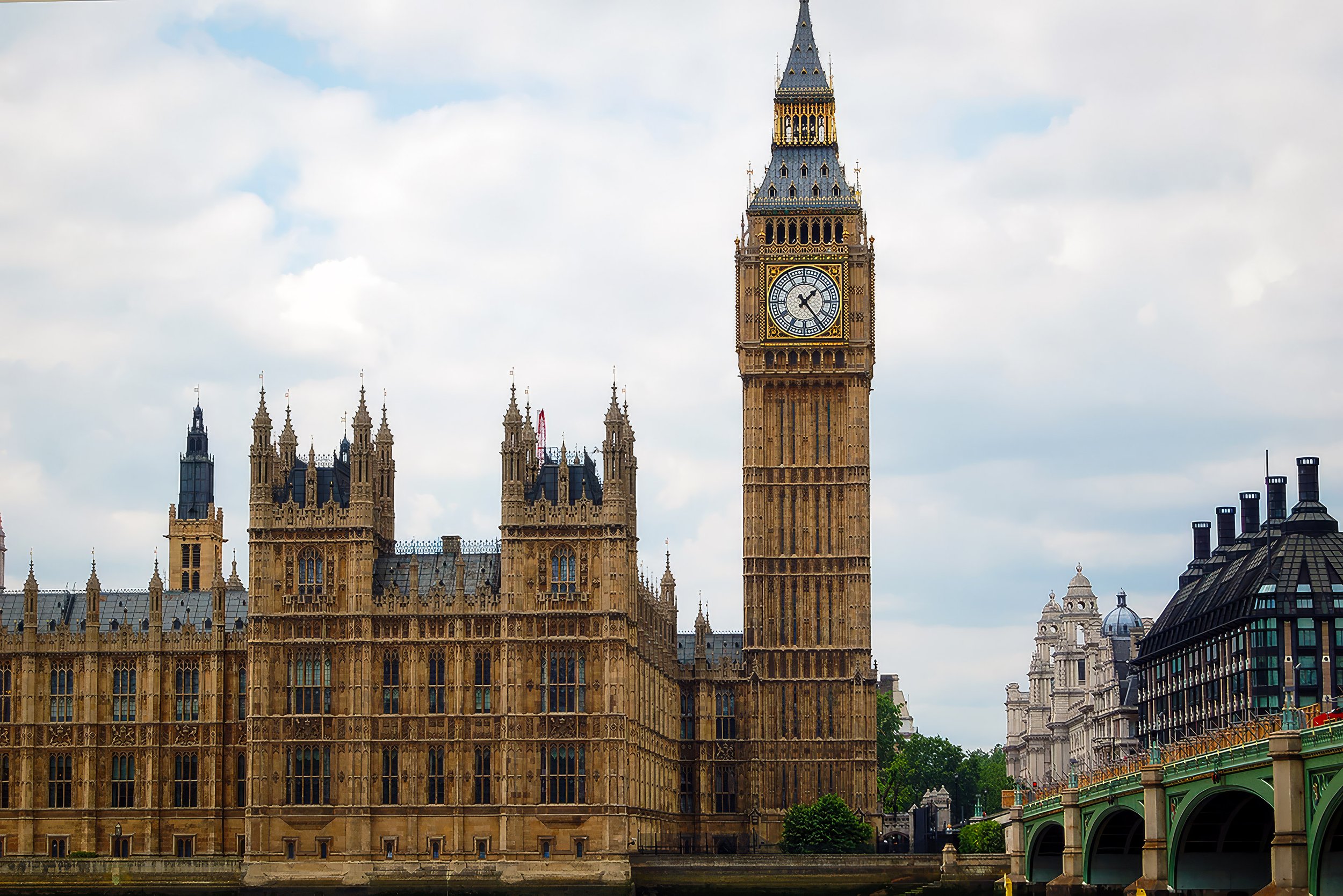
Sites within World Heritage Sites or their buffer zones
Tall buildings or large massing visible over long distances
Schemes that have attracted objections based on visual impact
Verified Views are also frequently requested late in the process, once concerns have already been raised. At that stage, tolerance for error is low and time pressure is high.
A planning-led approach treats Verified Views as part of the evidence base from the outset, not as an optional extra to be added under pressure.
For more information on AVRs, check out our other journals below:
