

Verified Views: What They Are, and What They Are Not
Verified Views are not marketing images. They are not illustrative CGIs. They are not visualisations designed to persuade.
They are technical planning evidence intended to demonstrate how a proposed development would appear from specific real-world viewpoints, captured and constructed using a defined, auditable methodology. Their purpose is accuracy, not appeal.
At their simplest, Verified Views combine a real photograph of an existing view with a precisely matched digital model of the proposed development. The match is not visual guesswork. It is controlled through camera calibration, known lens parameters, fixed survey coordinates, and a defined projection. Every step is documented so that planners, consultants, and inspectors can review the results.
Where confusion often arises is that Verified Views look visually similar to high-quality CGIs. This leads some teams to assume that the same tools and shortcuts apply. They do not. A Verified View that cannot be traced back to a surveyed viewpoint, a known camera position, and a reproducible setup is not verified in any meaningful sense.
The distinction matters because planning authorities are not assessing design intent in these images. They are assessing visual impact. That assessment must be based on something measurable.
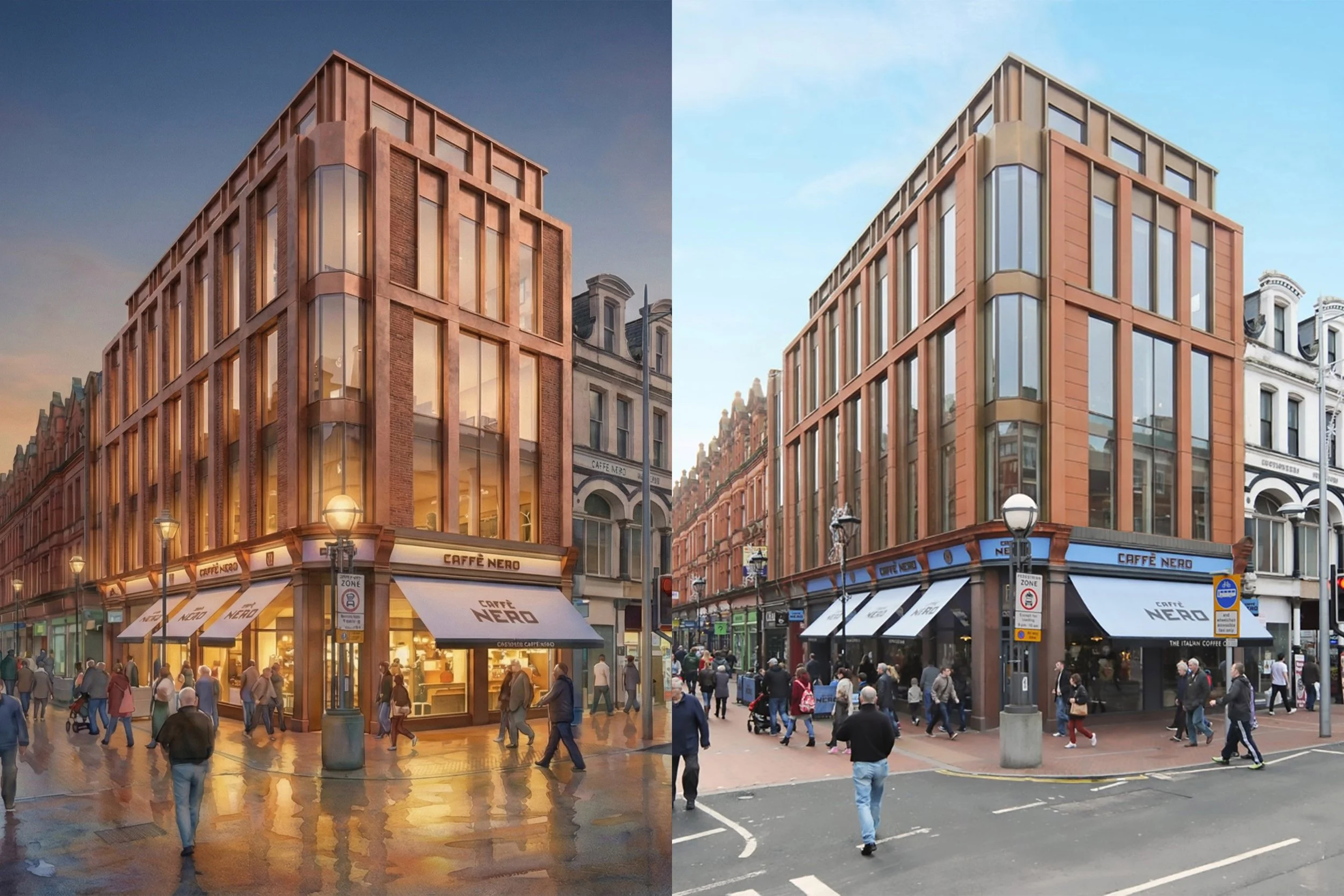
What Verified Views are
A form of technical visual evidence submitted as part of a planning application
Grounded in survey data and real-world photography
Reproducible, checkable, and defensible under scrutiny
Typically required for sensitive contexts such as conservation areas, listed settings, and World Heritage Sites
What Verified Views are not
Marketing imagery
Artist impressions
Tools for selling a scheme to the public
Flexible or subjective representations
The value of a Verified View lies in its restraint. When done correctly, it does not draw attention to itself. It simply shows the proposal as it would be seen, no more and no less.
For more information on AVRs, check out our other journals below:
