

Understanding AVR Levels 0 to 3, and Why the Difference Matters
Accurate Visual Representation, or AVR, is not a single standard. It is a graded framework that describes how much control, verification, and evidential reliability are built into a visualisation.
Confusion arises because all AVR levels can look superficially similar. An AVR Level 1 image can appear convincing. An AVR Level 2 image can look technically sound. But appearance is not what distinguishes the levels. Methodology is.
Understanding the differences is critical when deciding what level of evidence is appropriate for a planning application and what level of scrutiny an image is expected to withstand.
AVR Level 0
Unverified visual context
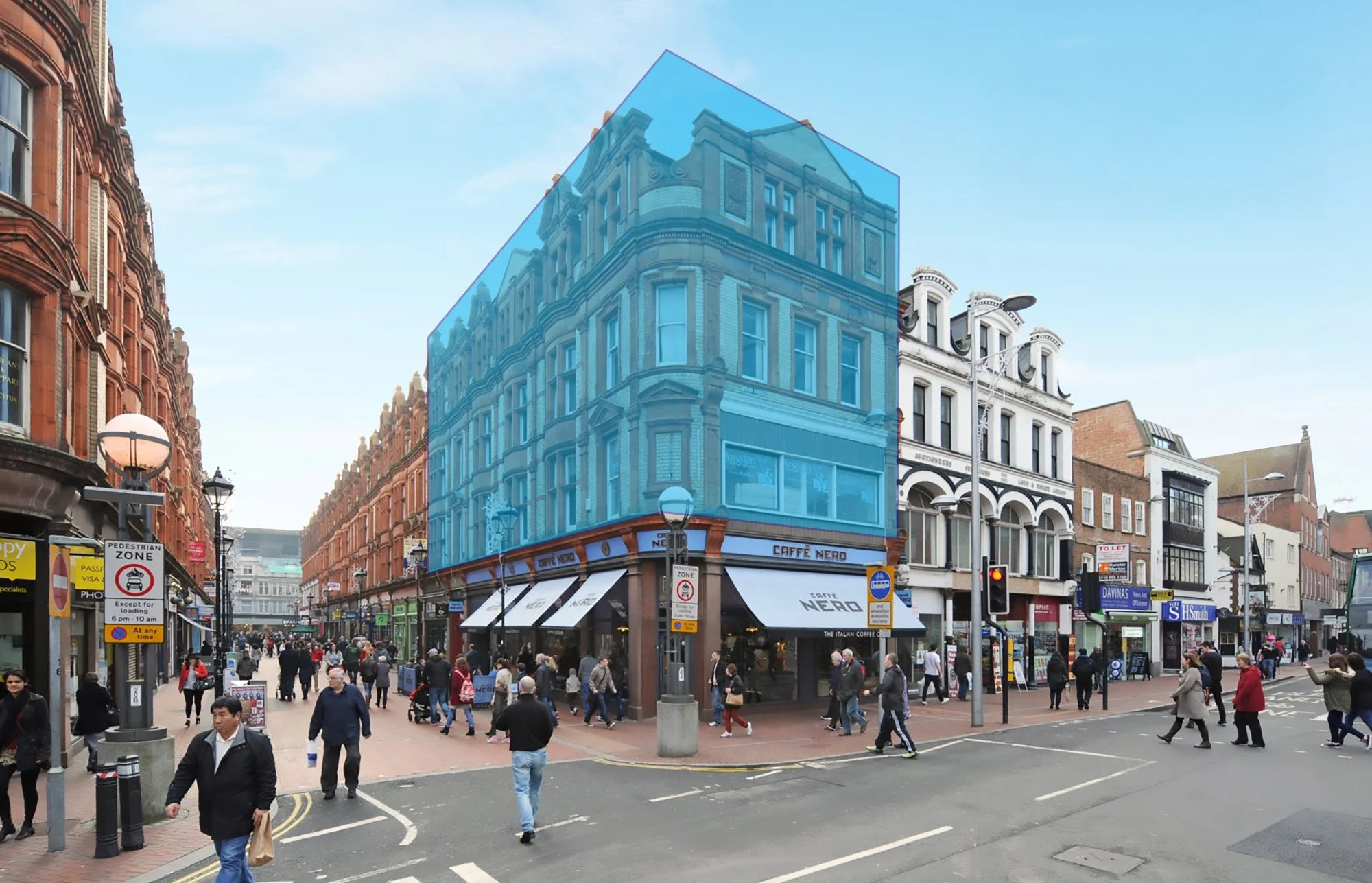
AVR Level 0 images provide visual context but no verification. They are illustrative representations intended to help understand massing or general appearance.
Typical characteristics:
No surveyed camera position
Approximate or assumed lens settings
Perspective chosen for clarity rather than accuracy
Limited or no supporting documentation
These images can be useful early in design development or for internal discussion. They are not suitable as planning evidence where visual impact is contested.
AVR Level 0 carries little evidential weight and should not be relied upon in sensitive contexts.
AVR Level 1
Basic viewpoint alignment
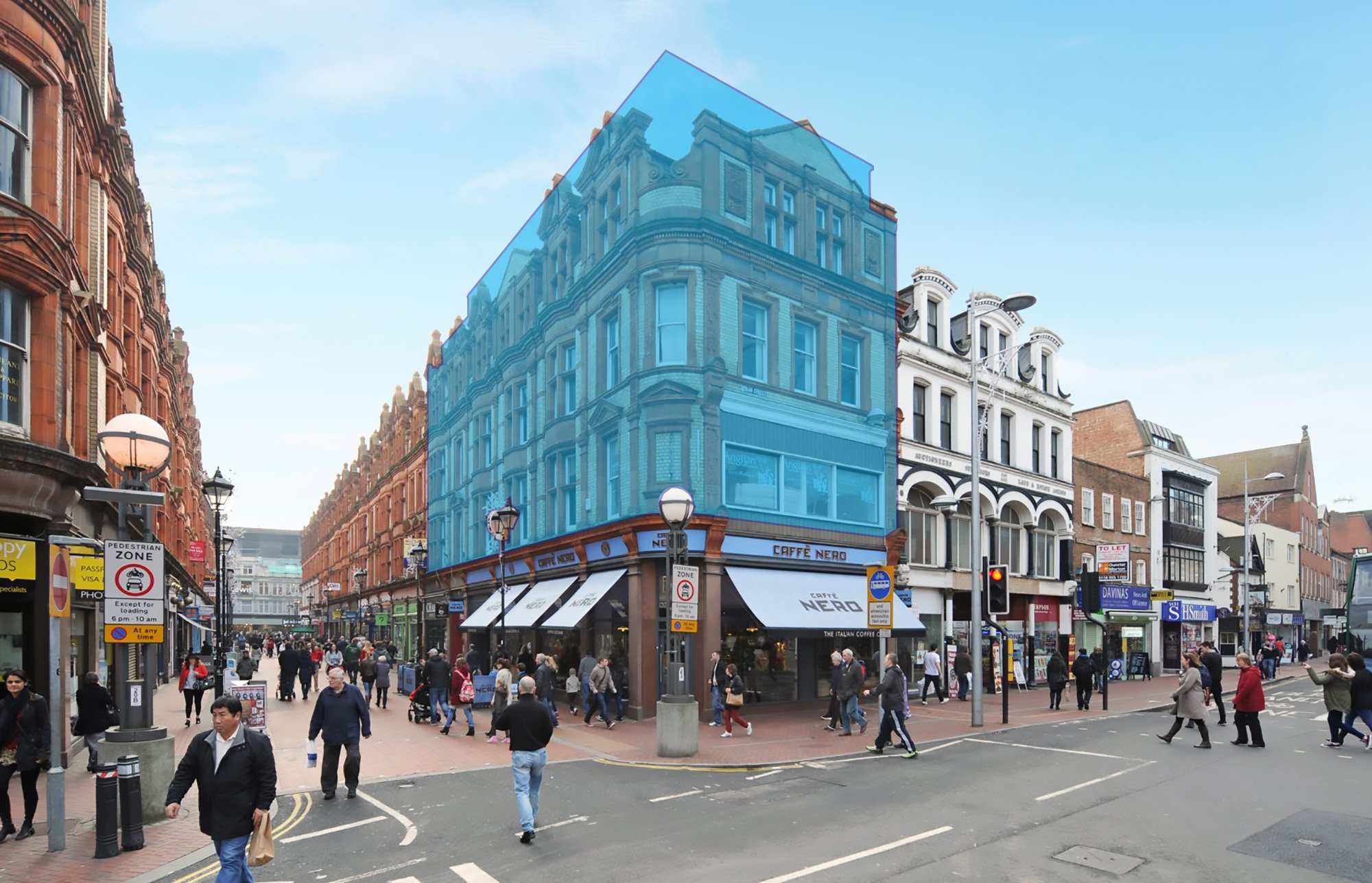
AVR Level 1 introduces a fixed viewpoint but stops short of full verification. The camera location is usually selected on site and broadly matched in the digital environment.
Typical characteristics:
Viewpoint location identified but not fully surveyed
Camera height estimated or measured informally
Lens choice broadly matched but not rigorously calibrated
Limited metadata provided
At this level, the image begins to resemble a real view, but accuracy is still dependent on judgement rather than constraint. AVR Level 1 may be acceptable for low-sensitivity sites, but it is vulnerable to challenge if relied upon heavily.
AVR Level 2
Survey-informed visualisation
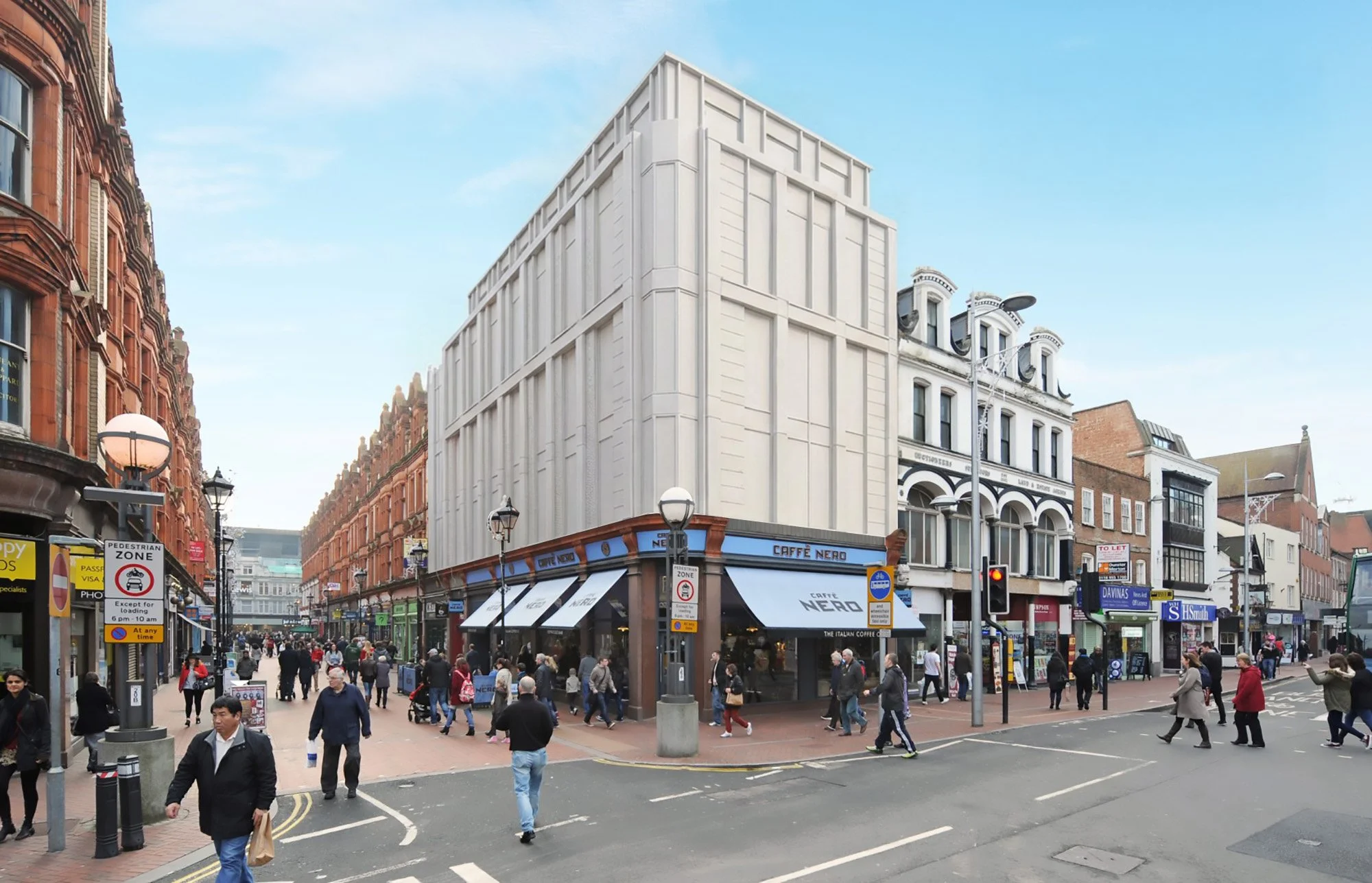
AVR Level 2 introduces meaningful control. Survey data is used to anchor the viewpoint, and camera parameters are more tightly defined.
Typical characteristics:
Surveyed or GPS-recorded camera position
Known camera height above ground
Documented lens focal length and sensor format
Improved alignment between photograph and model
This level is often used where visual impact is important but not critical. It provides a reasonable degree of confidence, but still leaves room for interpretation, particularly around projection choice and camera calibration.
AVR Level 2 sits in a middle ground. It may satisfy some planning authorities, but it may not be sufficient where heritage or long-distance views are involved.
AVR Level 3
Fully verified visual evidence
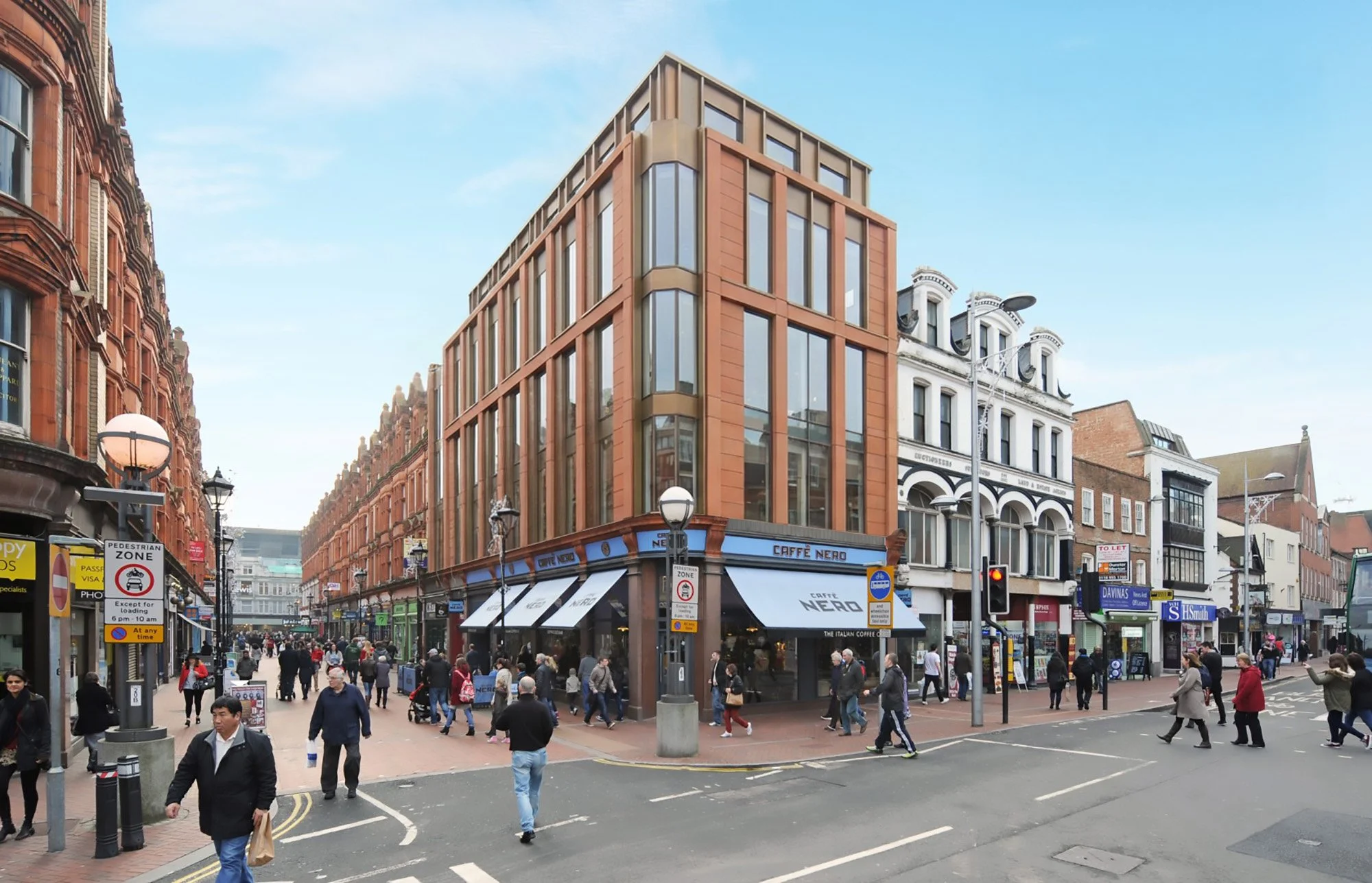
AVR Level 3 is the highest standard and the one most commonly associated with sensitive planning applications.
At this level, visualisation becomes evidence rather than illustration.
Typical characteristics:
Precisely surveyed camera location and orientation
Fixed camera height tied to survey control
Calibrated lens parameters and camera metadata
Explicit projection choice matched to the photograph
Model positioned within a surveyed coordinate framework
Full methodology report enabling independent review
Every assumption is either removed or documented. The image can be interrogated, reproduced, and defended under scrutiny.
AVR Level 3 is typically required for:
World Heritage Sites and buffer zones
Settings of listed buildings
Tall buildings or prominent massing
Appeals and public inquiries
It is not inherently better because it is more complex. It is better because it removes uncertainty.
Choosing the Right AVR Level
Not every project requires AVR Level 3. Over-specifying visual evidence can add unnecessary cost and programme time.
However, under-specifying carries a different risk. If a planning authority or inspector later requires a higher level of verification, earlier imagery may need to be discarded and recreated.
A planning-led approach considers site sensitivity, likely consultees, potential for objection or appeal, and the longevity of the visual evidence.
For more information on AVRs, check out our other journals below:
